
Mexican nonwoven manufacturer since 1985
When the standard material does not solve your application, we develop the one that does.
- years manufacturing in Mexico
- 41
- plants in the State of Mexico
- 2
- manufacturing processes
- 4
- basis weight range
- 30–600 gsm
The process
From loose fiber to the finished roll.
Four manufacturing processes turn loose fiber into technical material at the basis weight and width each application calls for.
Technical catalog
Bonding, needle punching, stitch bonding and resin bonding.
Each process solves a different problem. Here is the real difference between them.

Thermal & chemical bonding
Nonwoven Fabrics
Our broadest line: 30 to 160 gsm, up to 3.30 m wide.
- Basis weight
- 30–160gsm
- Width
- 1–3.3m

Thermal bonding, chemical bonding & resin bonding
Batting / Wadding
Loft and recovery: 60 to 600 gsm, up to 3 m wide.
- Basis weight
- 60–600gsm
- Width
- 1–3m

Mechanical needle punching
Needle Punch
Mechanically entangled, binder-free: 80 to 300 gsm, up to 3 m wide.
- Basis weight
- 80–300gsm
- Width
- 1–3m

Stitch bonding
Stitch Bond
The widest fabric we make: up to 3.50 m, 75 to 300 gsm.
- Basis weight
- 75–300gsm
- Width
- 1–3.5m
Why Notesa
Three reasons to work with us.
We run our own lines
All four processes are ours: thermal and chemical bonding, needle punch, stitch bond and resin bonding. If you need another basis weight, another finish or a different width, we adjust it on our own line. We do not depend on a third party agreeing to do it.
Made to your specification
Almost every development we run starts from a problem the standard catalog does not solve: a flame-retardant grade that has to meet a given standard, a backing that must not distort during embroidery, a filter medium with a target pressure drop. We start from your specification, not from what is sitting in the warehouse.
Close to your plant
Our two plants are in Tlalnepantla and Toluca, in central Mexico. If you produce in the Valley of Mexico, the Bajío or Querétaro, that means delivery in days and the option to come and see the line where your material is made.
Inside the plant


Applications
Every application calls for a different nonwoven.
We serve 16 industries with different specifications. These are the highest-volume ones.
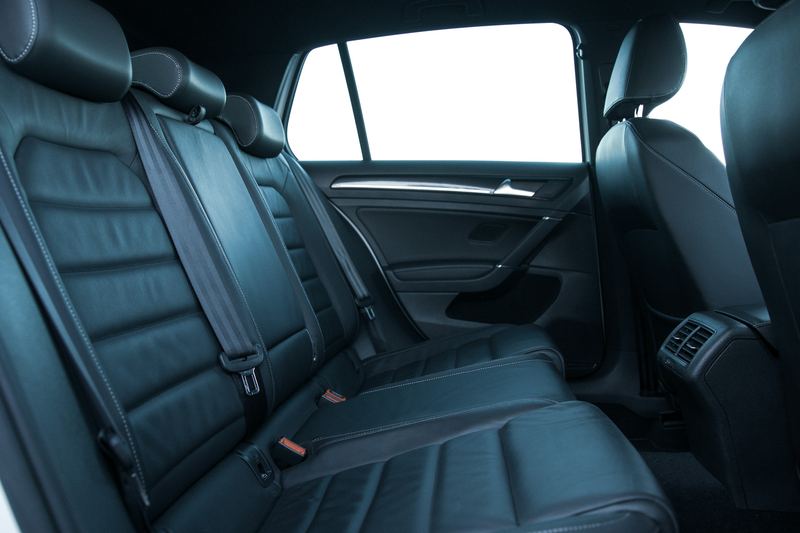
Automotive
Poly-laminated headliners, interiors, insulation and filter media for OEMs and Tier 1–2 suppliers operating in Mexico.
3 lines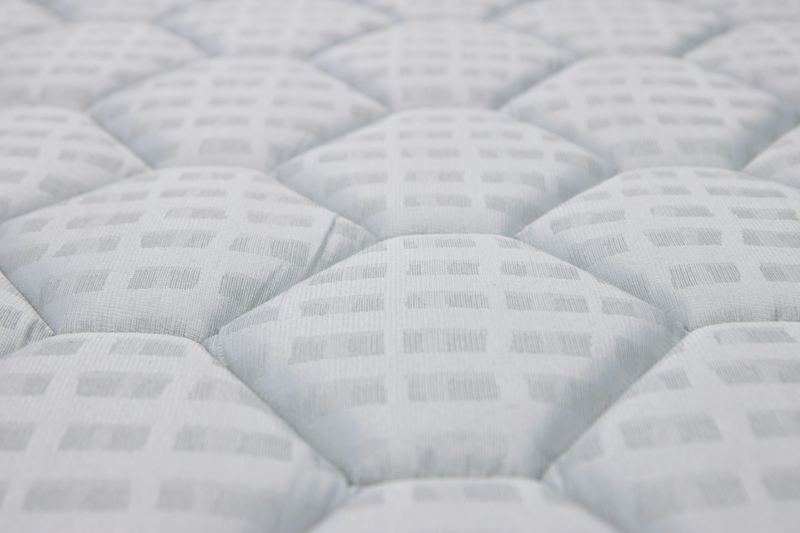
Mattress
Compacted and resin-bonded wadding for quilting and comfort layers, plus rigid stitch bond for structure.
3 lines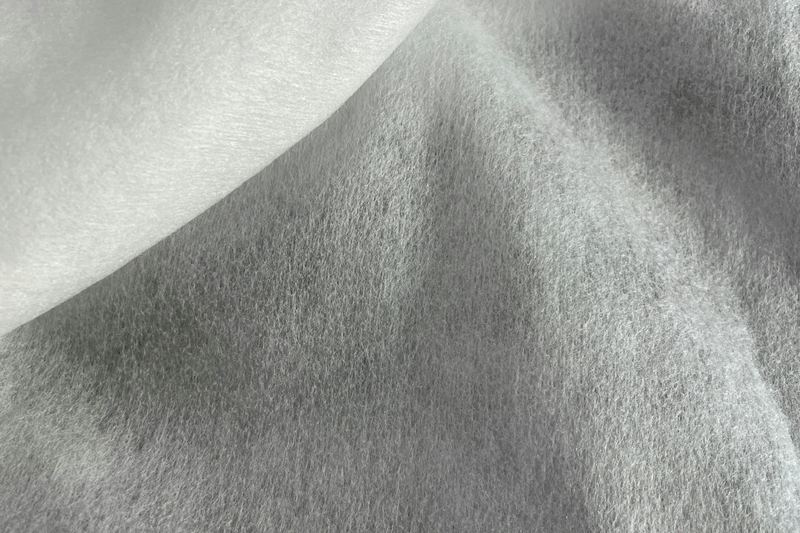
Furniture
Fill and comfort layers for seats, backs and cushions, in siliconized and flame-retardant versions.
1 line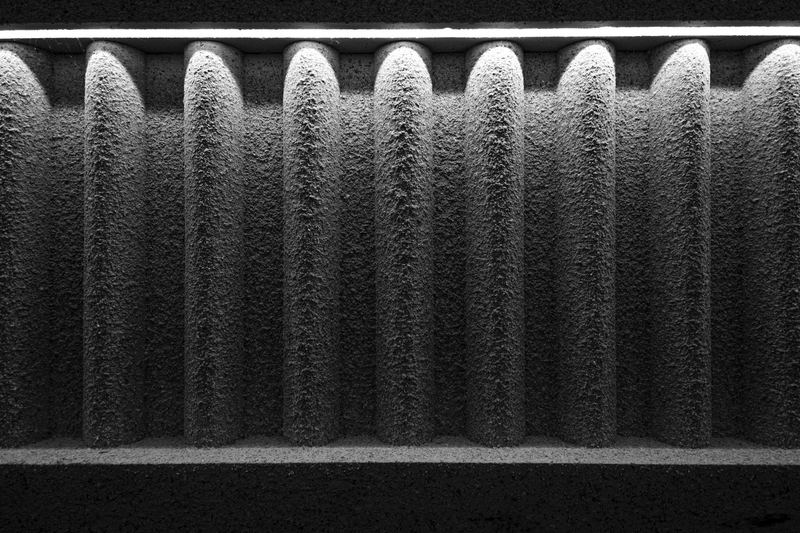
Filtration
Rigid and soft nonwoven filter media, compacted wadding for air filters and technical needle punch.
3 lines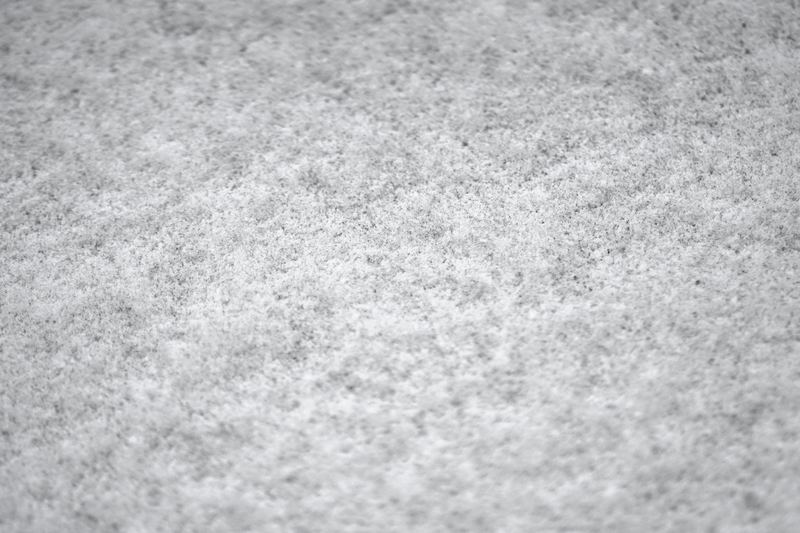
Apparel
Rigid and soft interlinings, fusibles, shoulder pads, waistbands, collars and cuffs.
3 lines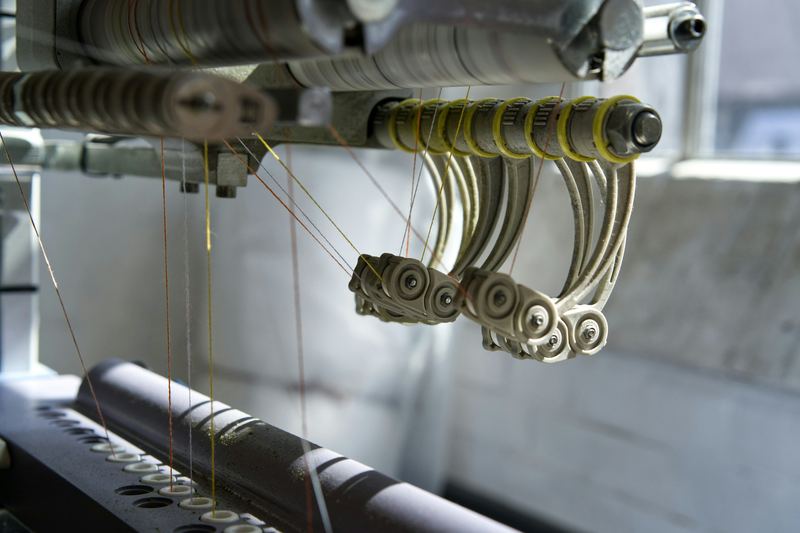
Embroidery
Tear-away backings in Standard, Plus and Extra, plus double-sided fusible with silicone release paper.
1 lineQuality
Quality management system certified to ISO 9001:2015
The certification is not decoration: it is why an automotive or medical-device buyer can qualify us as a supplier without rebuilding their own audit from scratch.
How we run qualityISO 9001:2015
Planta Tlalnepantla
Tlalnepantla, Estado de México
Planta Toluca
San Mateo Otzacatipan, Toluca, Estado de México
Tell us what your application needs.
Basis weight, width, finish and estimated volume. With that, an engineer can tell you whether the catalog solves it or whether a developed specification makes more sense.